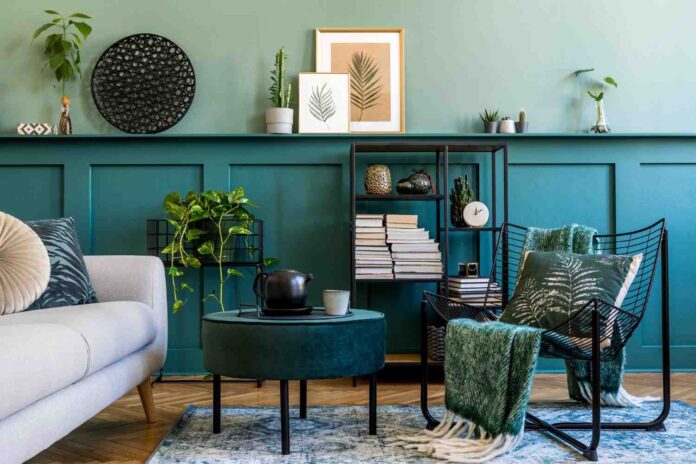


The modern residential landscape has shifted far beyond the mere arrangement of furniture. Today, the intentional execution of home decor operates at a high-stakes intersection of environmental psychology, spatial architecture, and sensory design. High-end residential spaces are no longer styled simply to look appealing; they are structurally engineered to optimize emotional wellness, cognitive focus, and functional flow.
Driven by rapid advancements in smart materials, sustainable manufacturing, and shifting human behaviors, interior spaces are undergoing a profound evolution. For designers, real estate professionals, and discerning homeowners, staying competitive requires a deep understanding of the macroeconomic and psychological forces dictating premium spatial curation.
The Psychology of Space: Environmental Mechanics and Well-Being
The relationship between a human being and their immediate environment is intensely neurological. The modern design paradigm leverages environmental psychology to create spaces that actively influence cortisol levels, circadian rhythms, and cognitive clarity.
To achieve this balance, professional interior architects focus heavily on three core environmental pillars:
- Circadian Lighting and Volumetric Control: Lighting is the single most critical element in spatial design. Beyond standard fixtures, premium design integrates smart, temperature-shifting lighting systems that mimic natural daylight. Strategic placement of sculptural focal pieces, such as statement luxury lighting installations, defines the visual hierarchy and scale of an expansive room.
- Biophilic Integration: Incorporating nature into structural interiors goes far beyond adding a simple houseplant. It requires utilizing natural wood grains, raw stones, and live green walls to reduce psychological stress and naturally purify indoor air.
- Acoustic Softening: As minimalist design patterns push toward hard surfaces like concrete and polished marble, sound management becomes vital. The integration of high-density, sustainable architectural textiles and acoustic paneling ensures that large open spaces remain calm and conversational rather than echoing and cold.
Material Economics: The Rise of Ethical and High-Performance Surfaces
The global market has experienced a significant correction regarding materials. Discerning consumers are aggressively moving away from mass-produced, synthetic items toward authenticated craftsmanship and long-lasting performance surfaces.
According to insights tracked via the comprehensive Architectural Digest design index, luxury residential properties are prioritizing material longevity over short-term trends. High-performance textiles that resist staining and UV damage are being seamlessly paired with organic elements like artisanal brass, reclaimed timber, and locally sourced clay.
This shift is directly supported by global green building metrics. Modern interior spaces are increasingly engineered to comply with rigorous LEED green building certification standards, ensuring that every paint, varnish, and textile used contains zero volatile organic compounds (VOCs) and protects long-term indoor environmental quality.
The Convergence of Form and Function: Smart Home Ecosystems
One of the most notable modern developments is the invisible integration of automated technology within traditional design frameworks. The ultimate goal of contemporary spaces is to balance high-tech utility with clean, uncluttered visual appeal.
Motorized window treatments, invisible in-wall audio speakers, and concealed charging surfaces are built directly into custom architectural joinery. This allows a living space to transition seamlessly from a high-powered home office during the day to a relaxed, ambient sanctuary in the evening without sacrificing the structural beauty of the room.
5 Frequently Asked Questions (FAQs)
1. What defines the difference between interior design and interior decoration?
Interior design involves the fundamental spatial planning, structural alterations, and behavioral mechanics of an indoor environment, often working alongside architects. Decoration focuses entirely on the final aesthetic layers, such as color palettes, furniture selection, textiles, and surface styling within an existing structural frame.
2. How do you balance a minimalist aesthetic without making a room feel sterile?
The key to warm minimalism lies in rich textual contrast. Instead of relying on stark white surfaces, professional designers layer varying textures—such as boucle fabrics, raw linen, matte-finished timbers, and brushed metals—to create visual warmth and depth without adding unnecessary clutter.
3. Why are natural materials like brass and stone preferred in premium spaces?
Natural materials possess a unique quality known as a living finish. Unlike synthetic surfaces that degrade over time, high-quality materials like brass and unsealed stone develop a beautiful, authentic patina as they age, increasing the character and intrinsic value of the home.
4. How does spatial layout directly impact human behavior and social flow?
The physical arrangement of furniture dictates human traffic patterns and social dynamics. Grouping seating options around a central focal point encourages open conversation, while maintaining clear, unobstructed pathways ensures a harmonious, stress-free flow of energy throughout the property.
5. What is the most effective way to integrate color psychology into a modern home?
Color choices should align with the primary function of each specific room. Soft, low-saturation earth tones and muted blues work beautifully in bedrooms and offices to promote deep relaxation and mental focus, while high-contrast, energetic accents are best reserved for active dining or entertaining spaces.
Command the Future of Interior Curation
The art of building a beautifully optimized living space requires absolute precision, data-backed strategy, and a deep appreciation for premium materials. As the boundaries between physical structure and sensory comfort continue to dissolve, the spaces that prioritize both technical execution and aesthetic harmony will define the standard of luxury living.
How is your property adapting its layout for the modern era of functional living? Bookmark and explore Home Decor today to access professional design consulting, curated heritage asset collections, and executive blueprints engineered to transform your space into an architectural masterpiece!