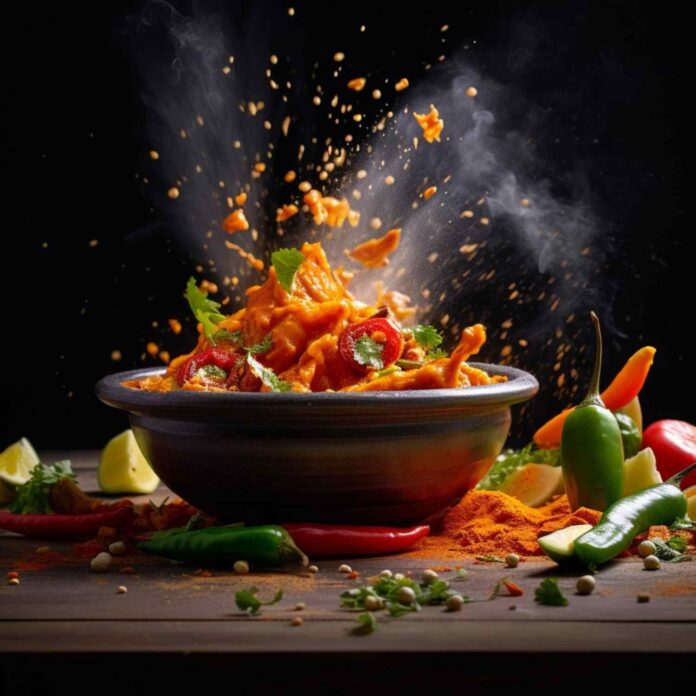


What we eat is no longer just a matter of basic survival. Today, the global food ecosystem operates at a fascinating intersection of agricultural technology, cultural identity, and complex global logistics. From the farm-to-table movement in local bistros to advanced plant-based processing facilities, how we grow, distribute, and consume sustenance is changing rapidly.
For culinary professionals, business owners, and health-conscious consumers alike, keeping up with these shifts is essential. Understanding the modern culinary landscape requires a closer look at the market forces, cultural trends, and nutritional developments driving our daily meals.
The Modern Culinary Shift: Personalization and Nutrient Density
The consumer market has undergone a significant psychological shift. The modern diner does not just look at a plate and see calories; they look for functional benefits, clean sourcing, and personal alignment. This has led to the rise of two major micro-economies within the culinary industry:
- Functional Nutrition: Ingredients are increasingly chosen for their targeted health benefits. Consumers routinely look for items that boost gut health, lower inflammation, or improve cognitive function—such as fermented ingredients, adaptogenic mushrooms, and ancient grains.
- Hyper-Personalization: Due to expanding wellness research, people are moving away from one-size-fits-all diets. Whether a person relies on gluten-free, low-FODMAP, high-protein, or plant-based eating patterns, the demand for specialized, accessible options has forced grocery brands and restaurants to rethink their entire product lines.
To navigate this highly customized landscape without feeling overwhelmed, many busy professionals are leaning heavily on structured healthy meal prep strategies to hit their long-term wellness goals.
Macro Supply Chains: From Agricultural Innovation to the Kitchen
Behind every restaurant dish or home-cooked dinner sits a highly technical supply network. Maintaining a global cold chain—the temperature-controlled supply chain that keeps perishables fresh from harvest to checkout—is a massive logistical feat.
According to global Food and Agriculture Organization (FAO) reports, shifting weather patterns and economic disruptions have forced agribusinesses to innovate quickly. Today, food logistics companies rely on real-time data tracking to minimize waste and ensure safety.
Furthermore, urban farming and vertical agriculture are shortening the distance between farms and cities. By growing leafy greens and herbs in vertical hydroponic warehouses right inside major cities, producers can deliver items within hours of harvest, significantly reducing transportation emissions and maximizing flavor.
Sustainability: The Rise of Ethical and Eco-Conscious Eating
Environmental awareness is no longer a niche consumer interest; it is a major market driver. Modern eaters want to know the backstory of their meals: Where was this grown? Were the workers paid fairly? What is the environmental footprint?
This demand for transparency has brought sustainable culinary practices to the forefront of the industry. Major consumer packaged goods (CPG) companies are actively redesigning their packaging to eliminate single-use plastics, while chefs are adopting “root-to-stem” and “nose-to-tail” cooking techniques to completely eliminate kitchen waste.
Additionally, the growth of regenerative agriculture—farming practices that restore soil health rather than depleting it—proves that the future of agriculture relies on working alongside nature, not against it.
Shifting Kitchen Cultures: The Fusion of Tradition and Technology
Technology has not only changed how our groceries are grown, but also how we interact with meals socially and domestically.
Smart kitchens equipped with precision-controlled appliances allow amateur home cooks to achieve professional-grade results. At the same time, social media platforms have turned cooking into an interactive, visual art form. A regional recipe from a small town can go viral globally overnight, blurring geographic lines and expanding the modern palate.
However, even as these high-tech trends evolve, core nutritional principles remain steady. Leading international frameworks, such as the official World Health Organization (WHO) dietary guidelines, continue to emphasize balanced, whole-food patterns as the ultimate foundation for lifelong health.
5 Frequently Asked Questions (FAQs)
1. What is the difference between organic and conventionally grown items?
Organic products are grown without synthetic fertilizers, bioengineered genes (GMOs), or chemical pesticides. While they are often more expensive due to higher labor and certification costs, many consumers choose them to reduce chemical exposure and support eco-friendly farming practices.
2. How are plant-based meat alternatives affecting the culinary industry?
Plant-based alternatives have expanded market options by appealing directly to “flexitarians”—consumers who want to reduce their environmental footprint without completely cutting out animal products. This has sparked massive innovation in texture and flavor science across the industry.
3. Why is food waste considered such a massive global problem?
Roughly one-third of all items produced globally for human consumption is lost or wasted every year. This is both an economic loss and a major environmental issue, as decomposing waste in landfills produces significant amounts of methane gas.
4. How do processing methods affect the nutritional value of what we eat?
Minimal processing (like freezing vegetables or pasteurizing milk) locks in nutrients and ensures safety. However, ultra-processing (adding excessive refined sugars, artificial preservatives, and trans fats) strips away natural fiber and nutrients, which can lead to negative long-term health outcomes if eaten regularly.
5. What role does artificial intelligence play in the future of agriculture?
AI is revolutionizing farming through precision agriculture. Drones and sensors analyze soil conditions, track crop health, and optimize irrigation schedules in real-time. This helps farmers maximize crop yields while using significantly less water and fertilizer.
Elevate Your Culinary Journey Every Single Day
The world of Food is incredibly dynamic, constantly evolving, and deeply connected to our health, culture, and environment. As agricultural technology advances and sustainable practices become the industry standard, staying informed is the best way to make smart, healthy, and conscious choices for yourself and your family.
What new culinary trend or healthy habit are you ready to explore next? Head straight over to The Daily Foods today to access expert nutritional breakdowns, chef-curated recipe guides, and actionable industry insights designed to transform your relationship with cooking and nutrition!